Samsung QN90D Review: Mini LED Gaming TV Worth the Price?

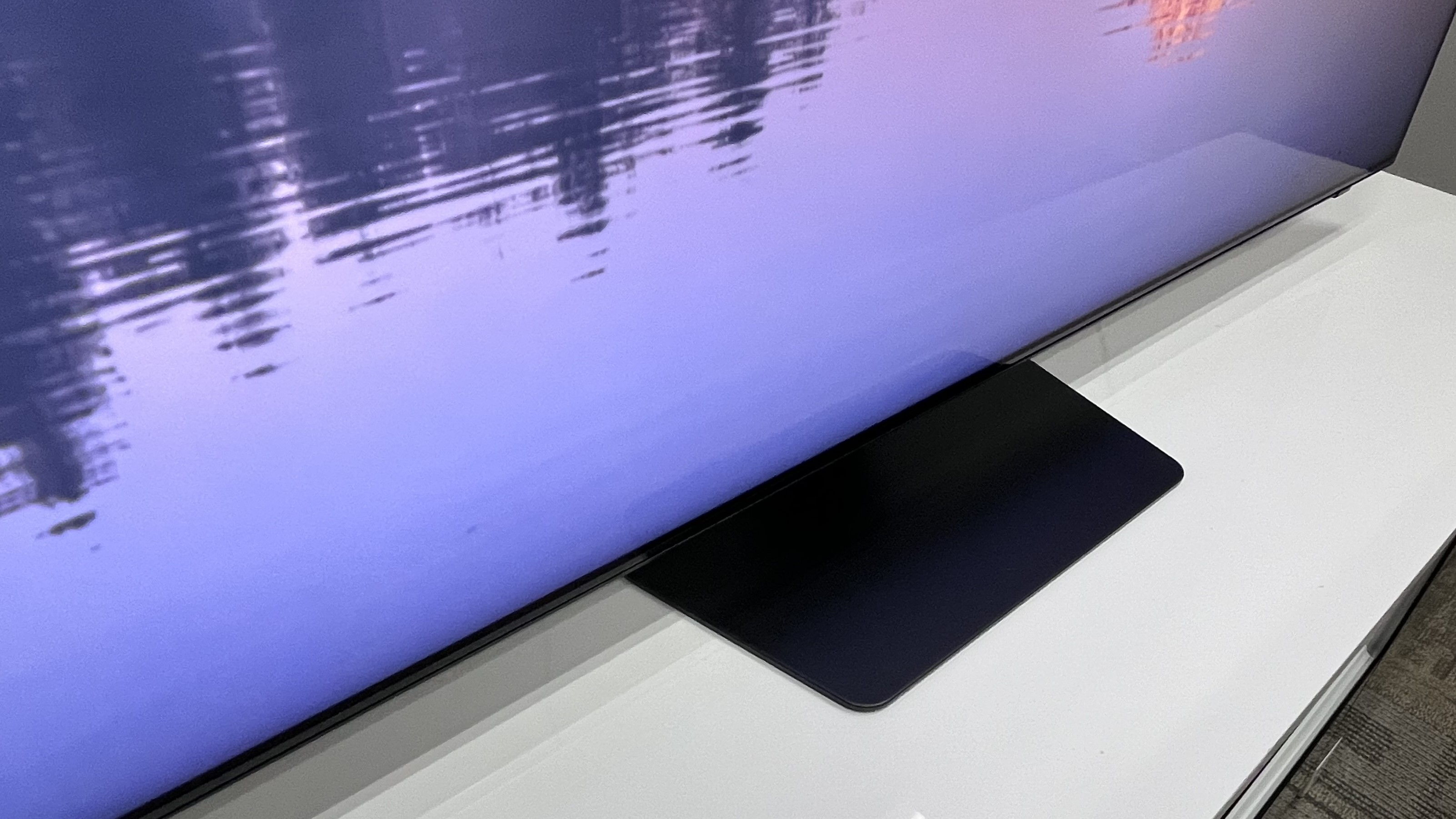
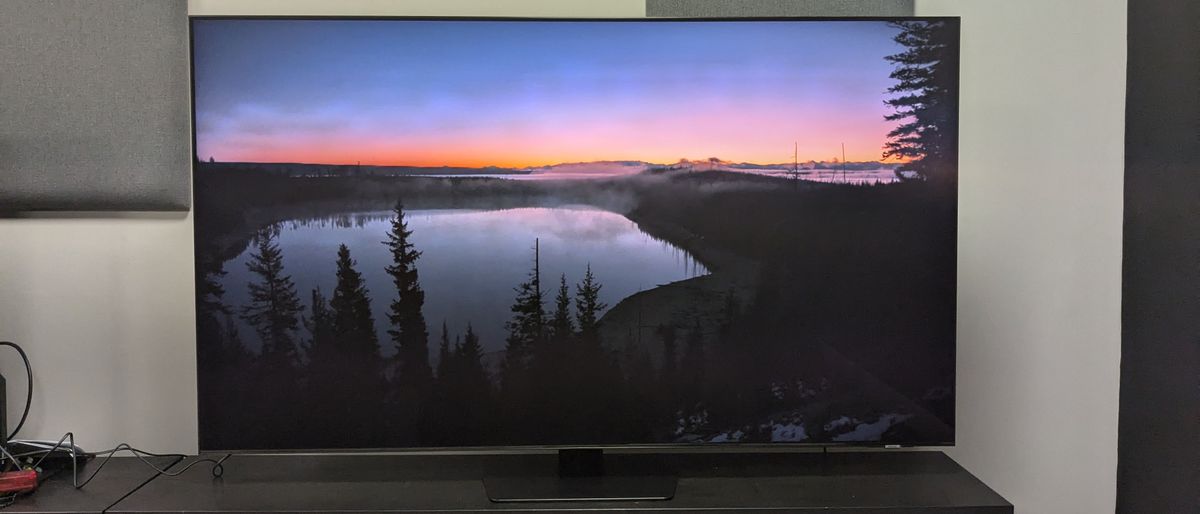
The Samsung QN90D sits in an interesting spot in the TV market — it's a premium Mini LED panel aimed squarely at gamers and bright-room viewers who want the best picture possible without committing to the burn-in anxiety of OLED. At a retail price of around $1,800 for the 65-inch model, it's a significant investment. But is it the right one?
The Case for the QN90D
The biggest selling point here is the combination of Mini LED backlighting with a 165Hz panel — a spec sheet that makes gaming-focused buyers pay attention. Mini LED gives the QN90D serious brightness muscle and strong local dimming, which translates to punchy HDR highlights and excellent contrast for an LCD panel. For a bright living room with scattered sunlight and lamps competing with your screen, this is genuinely one of its strongest use cases.
The 165Hz refresh rate also keeps it competitive as a gaming display in a way that most OLED TVs at this size simply can't match at this price. Running a PS5, a gaming PC, or both? This panel checks the right boxes.

How It Stacks Up Against the Competition
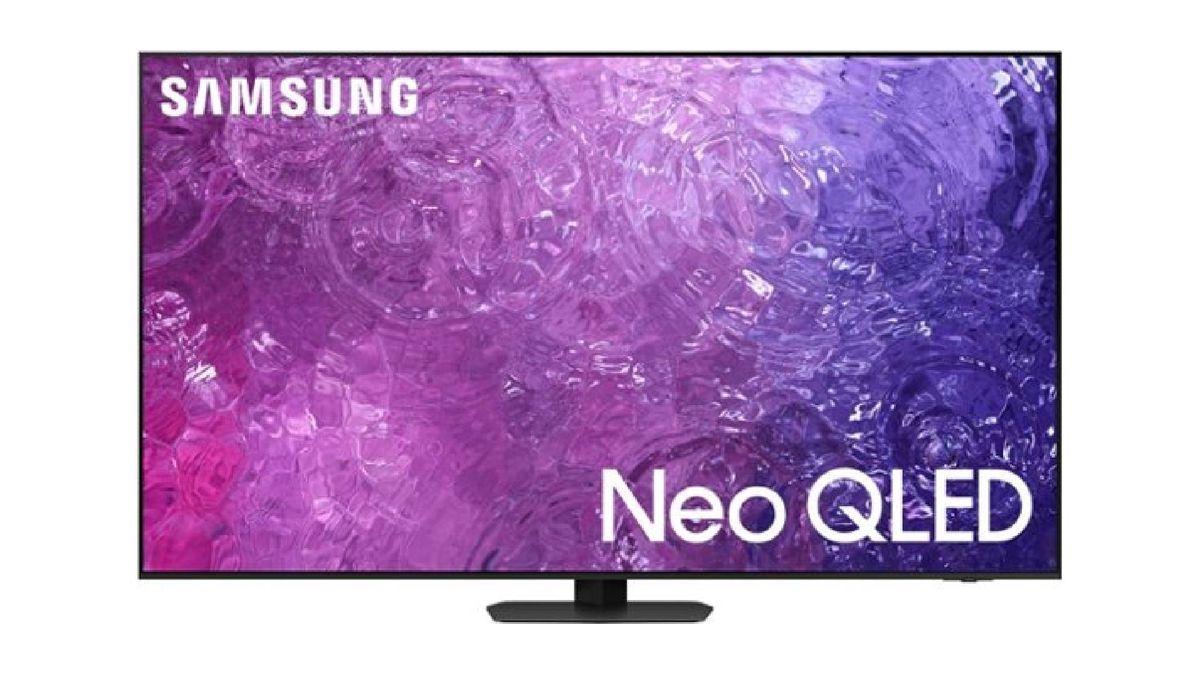
The most direct competition at the 83-85 inch range includes the Samsung S90D (~$4,000), LG C3 (~$4,000), and Sony Bravia 9 (~$4,800 — genuinely eye-watering). The QN90D 85-inch lands closer to $3,200, making it the most affordable option in that large-screen tier by a meaningful margin.
But the comparison isn't straightforward. OLED panels like the LG C3 and QD-OLED sets like the S90D deliver better per-pixel contrast, inky blacks, and more accurate color. For a dark home theater room, those advantages are real. For a bright room, though? The QN90D's superior peak brightness and anti-reflective coating close that gap significantly. If your viewing environment has windows and scattered light — like most living rooms do — the QN90D is arguably the smarter practical choice over many OLEDs at similar or higher prices.
One Reddit commenter in a buying thread simply said "stay away from Samsung," which reflects a real subset of opinion in enthusiast communities. Samsung's Tizen OS, aggressive local dimming that can sometimes crush shadow detail, and the perception that rivals have caught up on picture quality are legitimate criticisms you'll encounter. They're worth weighing, but they don't tell the whole story.

Real-World Connectivity: Not Always Smooth
One specific issue worth flagging: at least one user reported intermittent eARC problems when pairing the QN90D with a Yamaha RX-A770 receiver. The connection worked sporadically, which is the kind of frustration that shouldn't happen with a $1,800 TV. If you're building a full AV receiver setup, do your research on firmware compatibility before assuming everything will work out of the box. Samsung's smart home ecosystem is polished, but third-party AV integration can occasionally be bumpy.

Buying Smart: New vs. Used
The resale market tells you something about this TV's value proposition. A 65-inch QN90D that retails at $1,800 was recently listed used (formerly a Best Buy display unit) for $800 — less than half retail price. The seller correctly noted that Mini LED panels don't suffer burn-in the way OLED does, so buying a lightly used QN90D carries significantly less risk than buying a used OLED. If budget is a concern and you find a well-priced used unit, that peace of mind is a genuine advantage over secondhand OLED shopping.
Who Should Buy the QN90D
- Bright room viewers who need maximum brightness to fight ambient light
- Gamers who want 165Hz at a large screen size without OLED's burn-in risk
- Multi-use households where the TV runs many hours a day (static content, news, sports) and burn-in is a real concern
- Budget-conscious large screen buyers — the QN90D undercuts OLED competition by hundreds to thousands of dollars
The QN90D is probably not the right pick if your room is consistently dark and you want the absolute best contrast and color for cinematic viewing. In that scenario, stretching the budget for an OLED — or finding the QN90D's OLED siblings — makes more sense.

Frequently Asked Questions
Q: Is the Samsung QN90D good for gaming?
A: Yes — the QN90D supports a 165Hz refresh rate, which makes it one of the stronger gaming TVs in its class. It pairs well with both PS5 and PC gaming setups.
Q: How does the QN90D compare to OLED TVs like the LG C3?
A: For bright rooms, the QN90D's superior peak brightness and anti-reflective performance give it a practical edge. In dark rooms, OLED panels like the LG C3 still deliver better contrast and per-pixel blacks. Price-wise, the QN90D is generally the more affordable option at comparable screen sizes.
Q: Can the Samsung QN90D burn in?
A: Mini LED TVs like the QN90D do not suffer from burn-in the way OLED panels do, making them a safer choice for households with heavy use or lots of static content.
Q: Does the Samsung QN90D have eARC?
A: Yes, but some users have reported intermittent eARC connectivity issues with certain AV receivers. Check firmware compatibility with your specific receiver before purchasing.
Q: What is the retail price of the Samsung QN90D?
A: The 65-inch model retails at approximately $1,800 new. The 85-inch version is priced around $3,200, positioning it as the most affordable option in the large-screen premium TV segment compared to OLED alternatives.
Posted on March 9, 2026