
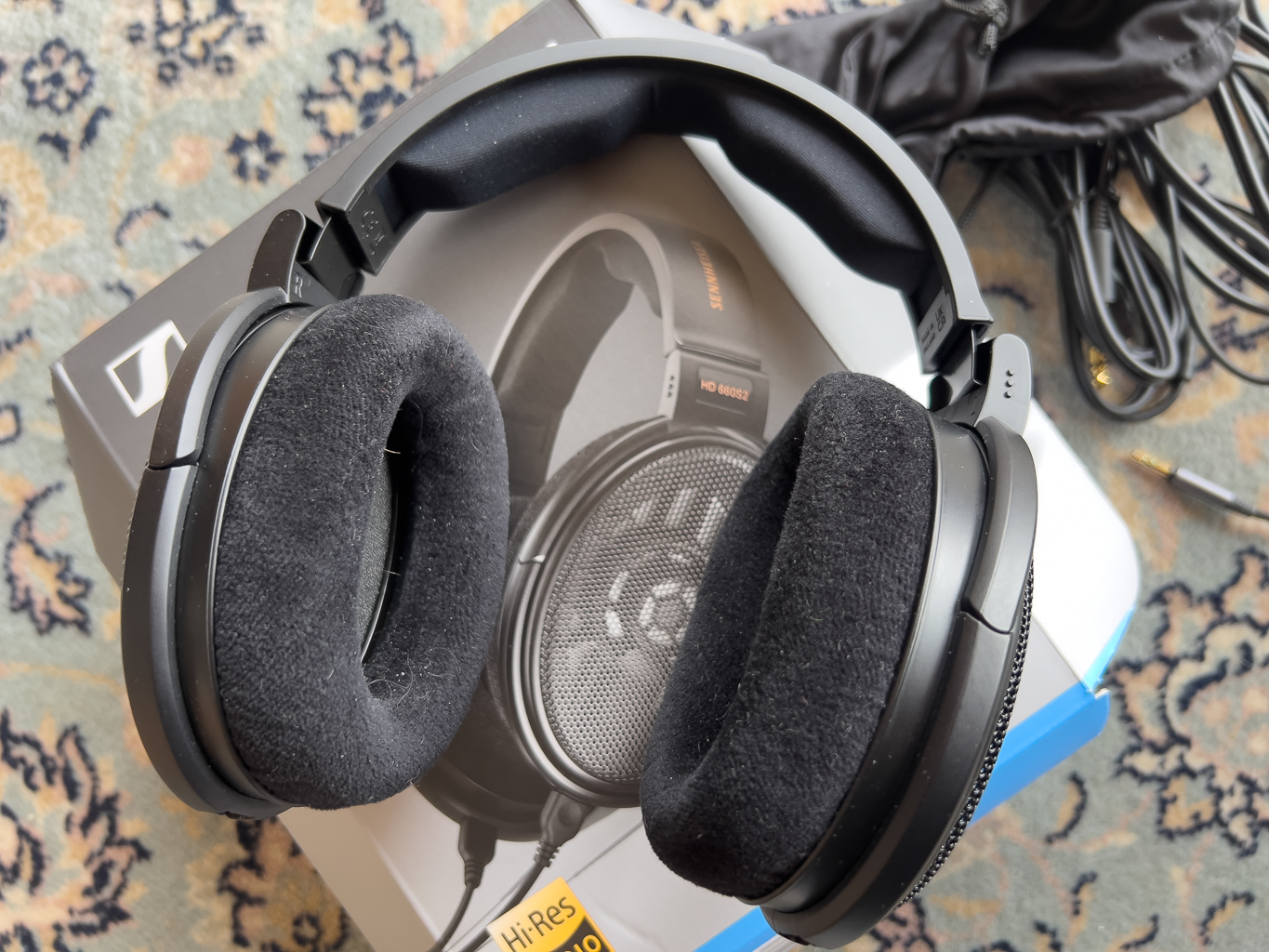
Sennheiser HD660S2 Review: Refined Listening, Real Trade-offs

The Sennheiser HD660S2 occupies a complicated spot in the headphone market. It's not the most technically precise headphone at its price, it's probably €100 overpriced at MSRP, and its materials won't impress anyone who picks it up expecting a premium feel. And yet — multiple users across different backgrounds keep reaching for it for long listening sessions, calling it one of the most pleasant headphones they've ever worn. That tension is exactly what makes the HD660S2 worth talking about.

First Impressions: Beautiful Photos, Slightly Humbling Reality
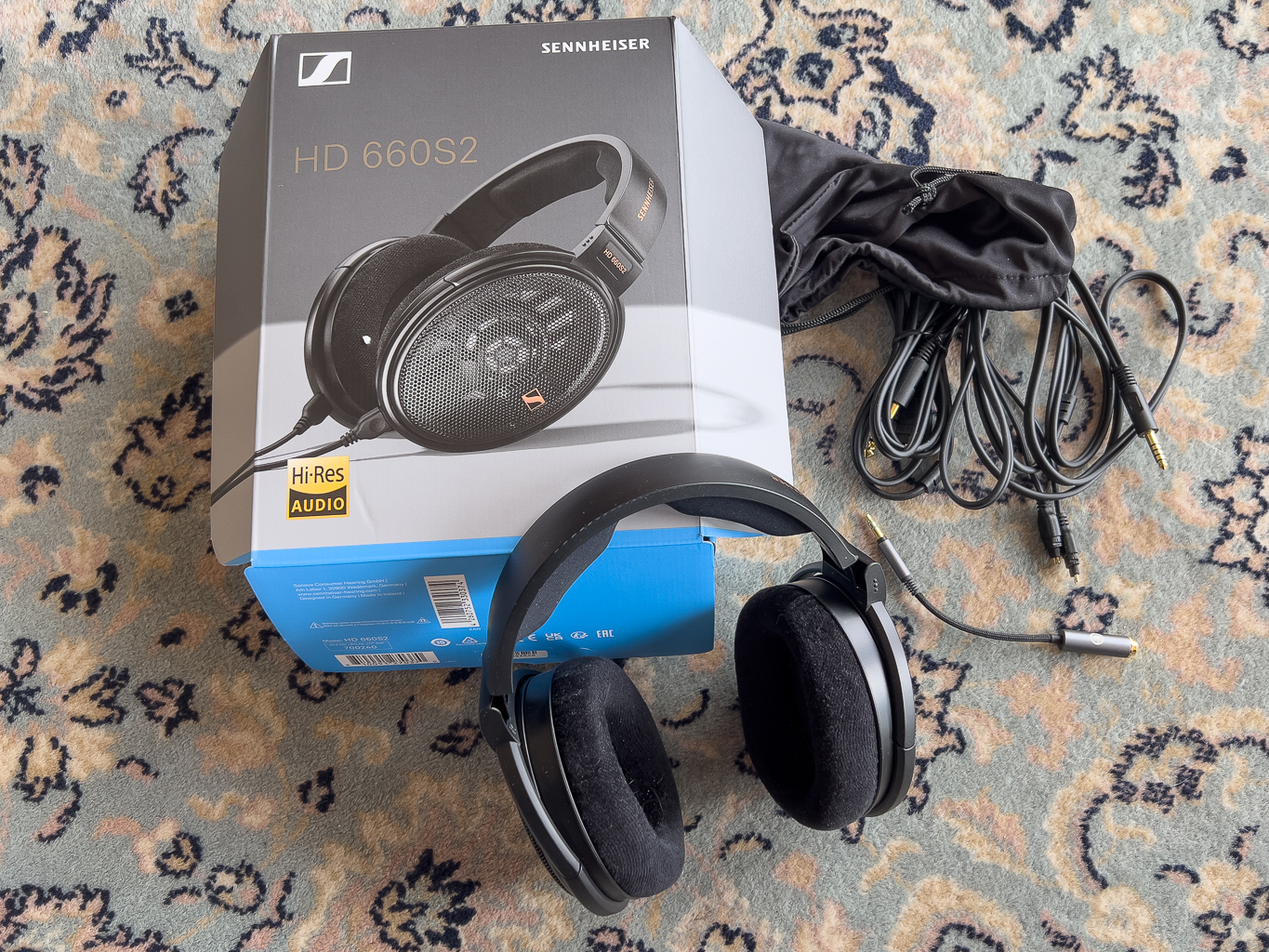
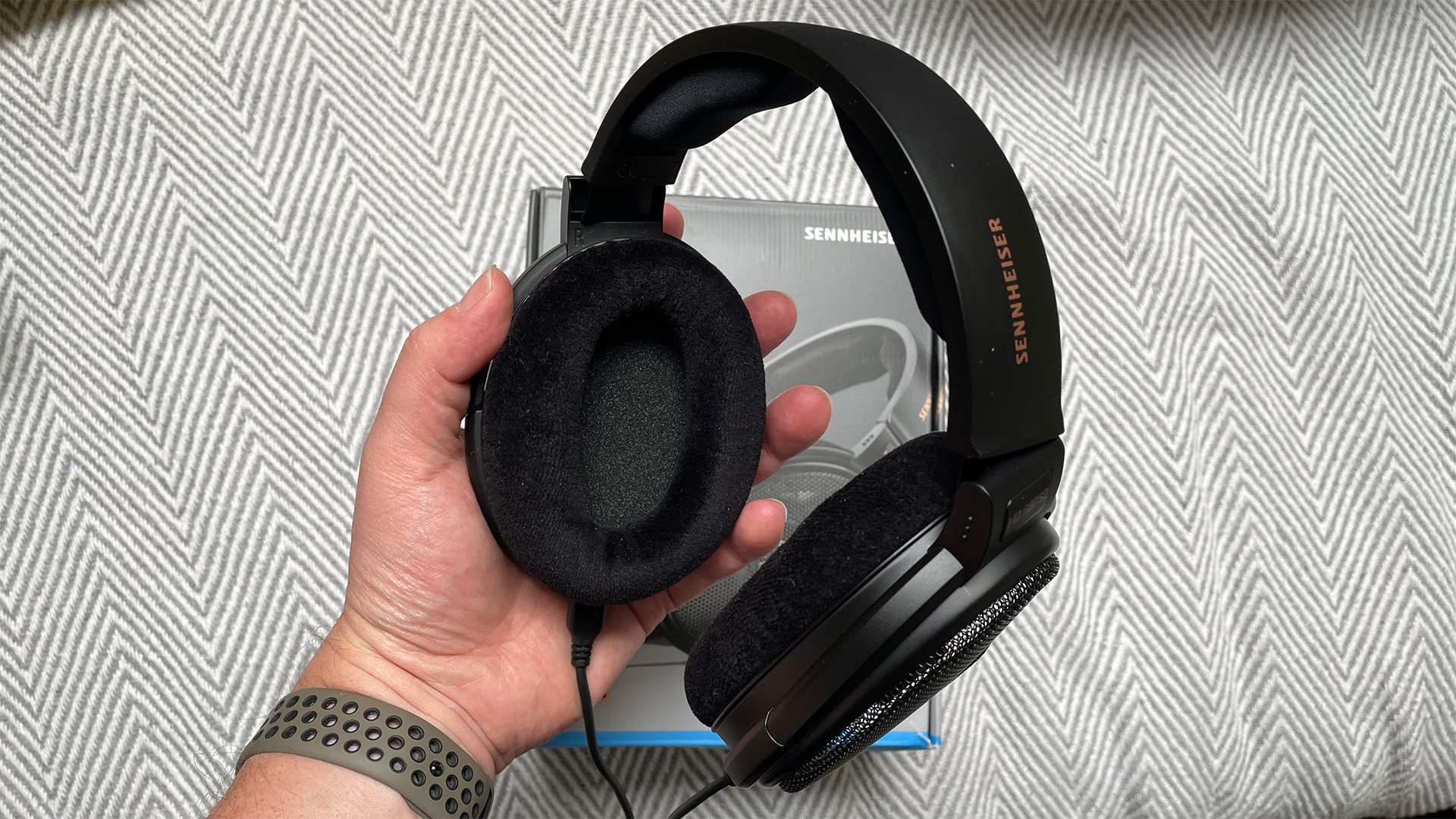
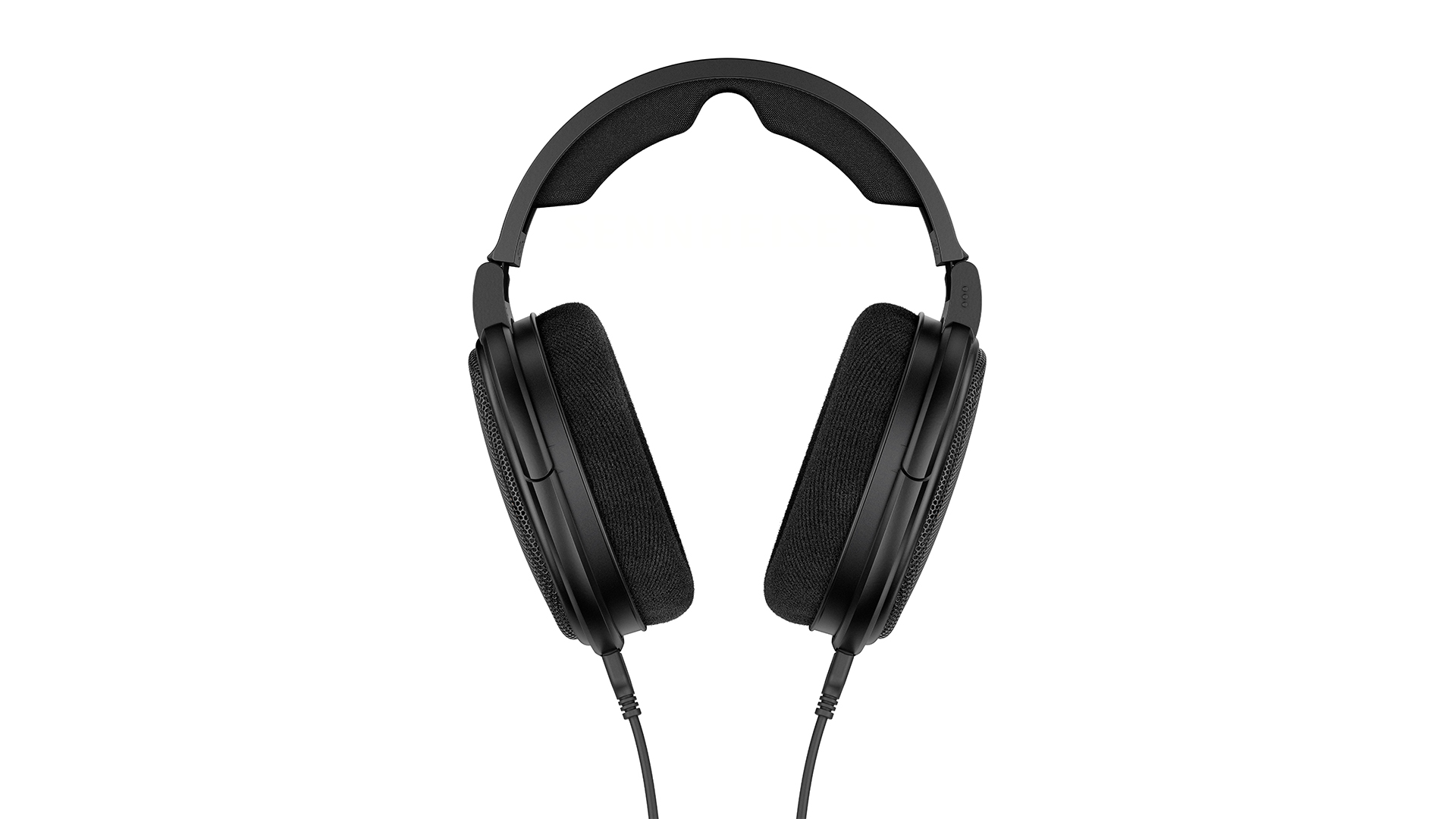
One audio production user put it bluntly: the marketing photos are "truly magnificent," but the physical product doesn't quite live up to them. The lightness — which is genuinely a comfort advantage — comes at the cost of materials that feel a little cheap for the price. If you're coming from something like the HD650, you'll notice. That said, the included 4.4mm balanced cable in the box is a nice touch that partially offsets the sting of the MSRP.

The Sound: Warm, Veiled, and Surprisingly Addictive
The HD660S2's tuning is unmistakably Sennheiser. There's a noticeable veil in the high mids and treble — something a user coming from Beyerdynamic's brighter DT770/990 line will feel immediately. The mids are present, sometimes a touch too present for dense modern productions, which can push things toward "muddy" territory. But here's the thing: that same veil is what makes this headphone so easy to listen to for hours without fatigue.
One reviewer who mixes professionally noted that the HD660S2 "does a great job at fleshing everything out" on complex albums. Another, coming from a decade with the DT990 Pro, found the Sennheiser sound immediately captivating — calling the mids "so awesome" and treble "detailed while also being easy to listen to." The bass is precise rather than emphasized, with a finesse that surprised users comparing it to more bass-forward headphones.
Where it genuinely shines: acoustic music, organic instruments, jazz, folk, classical. Where it struggles: dense electronic productions, heavy metal with rapid drum transients, anything that demands tight, punchy low-end impact. One user comparing it to the newer HD550 specifically noted the HD550 handled drums and kickdrum punch more convincingly.

Who This Is Actually For
The HD660S2 is genuinely excellent for long-session casual listening and as a secondary mixing reference — particularly for adjusting mids, which sit clearly in this headphone's presentation. A music producer who uses the Audeze LCD-X as their primary mixing tool described the HD660S2 as a "nomadic" companion that complements rather than replaces their studio setup, and that framing feels exactly right.
It's also worth noting: at least one enthusiast was actively selling their HD660S2 — not because it's bad, but simply because they weren't reaching for it often enough with stronger competition in their collection. Context matters. If this is your only nice headphone, you'll love it. If you're rotating between an Arya Stealth and a Focal Clear, it may collect dust.
For gaming, the open-back design means no noise isolation — a real consideration if you're sharing a space. Multiple users flagged that anyone wanting to use a microphone in a gaming context should look at a closed-back alternative like the HD620S (though reviews on that model are mixed).
Amplification: Don't Skimp Here
The HD660S2 responds well to a proper DAC/amp pairing. Users have run it on setups like the FiiO K7 and Astell&Kern portable players with good results. The 150-ohm impedance isn't brutally demanding, but it scales noticeably with better amplification — underpowering it leaves bass definition and soundstage on the table. If your budget allows, factor in a decent amp.

Value: A Bit Steep, But Deals Exist
The consensus is clear: at full MSRP, the HD660S2 is overpriced by roughly €100. At €400 or under (which is achievable with patience), it becomes a much more defensible purchase. The balanced cable inclusion helps. The plastic build does not. If you're debating between this and the HD650 at a similar price point, the HD650's slightly warmer, smoother signature and better-feeling build quality make it a legitimate alternative — though the HD660S2 does extend better in the bass.

Frequently Asked Questions
Q: Is the Sennheiser HD660S2 worth the price?
A: At full MSRP it's a stretch — reviewers consistently peg it as €100 overpriced. At or under €400, it's a solid value, especially given the included 4.4mm balanced cable. Watch for sales.
Q: Does the HD660S2 need an amplifier?
A: Yes, it benefits meaningfully from a proper DAC/amp. It won't be completely undriveable from a phone or laptop, but you'll lose bass definition and dynamics. Budget for something like the FiiO K7 alongside it.
Q: How does the HD660S2 compare to the HD650?
A: The HD660S2 has better bass extension and a slightly brighter tuning, while the HD650 has a warmer, more classic Sennheiser sound and arguably better-feeling build quality. Both are in the same price bracket and both are excellent; the choice comes down to whether you want more sub-bass or a more romantic midrange.
Q: Is the HD660S2 good for gaming?
A: Sonically it's capable, but the open-back design means no noise isolation and microphone spill is a real concern. For dedicated gaming with a mic, a closed-back like the HD620S is a more practical choice.
Q: Is the HD660S2 good for mixing and music production?
A: It works well as a secondary reference, particularly for evaluating mids and low-end detail. It's not a replacement for a dedicated mixing headphone like the HD490 Pro, but it complements one effectively — especially for checking balance on the go.
The HD660S2 won't blow you away on a spec sheet, and its build won't justify the price tag on its own. But sit down with a well-recorded acoustic album, pair it with a decent amp, and you'll understand exactly why people keep recommending it. Some headphones measure better. Very few are this easy to just enjoy.

Posted on March 9, 2026